 Image 1 of 13
 Image 2 of 13
 Image 3 of 13
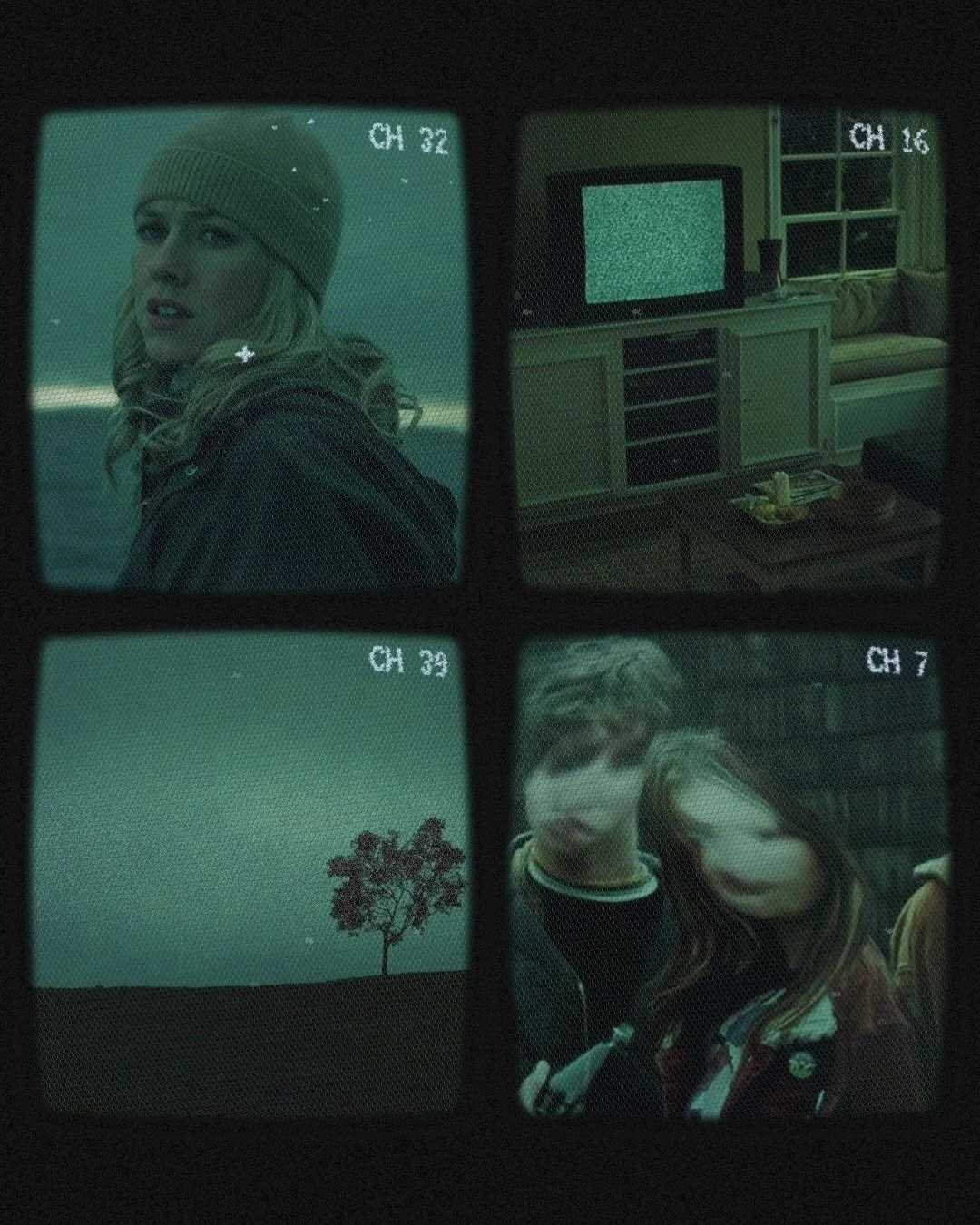 Image 4 of 13
 Image 5 of 13
 Image 6 of 13
 Image 7 of 13
 Image 8 of 13
 Image 9 of 13
 Image 10 of 13
 Image 11 of 13
 Image 12 of 13
 Image 13 of 13
ABOUT
“THE RING”
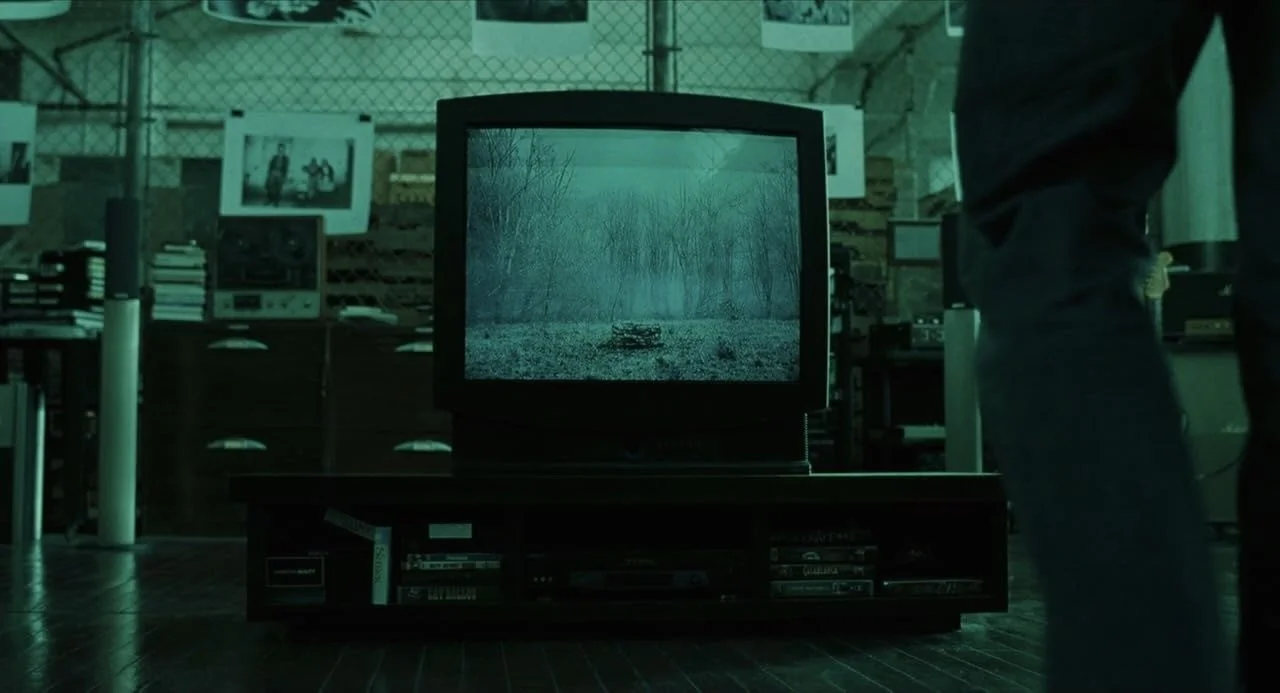
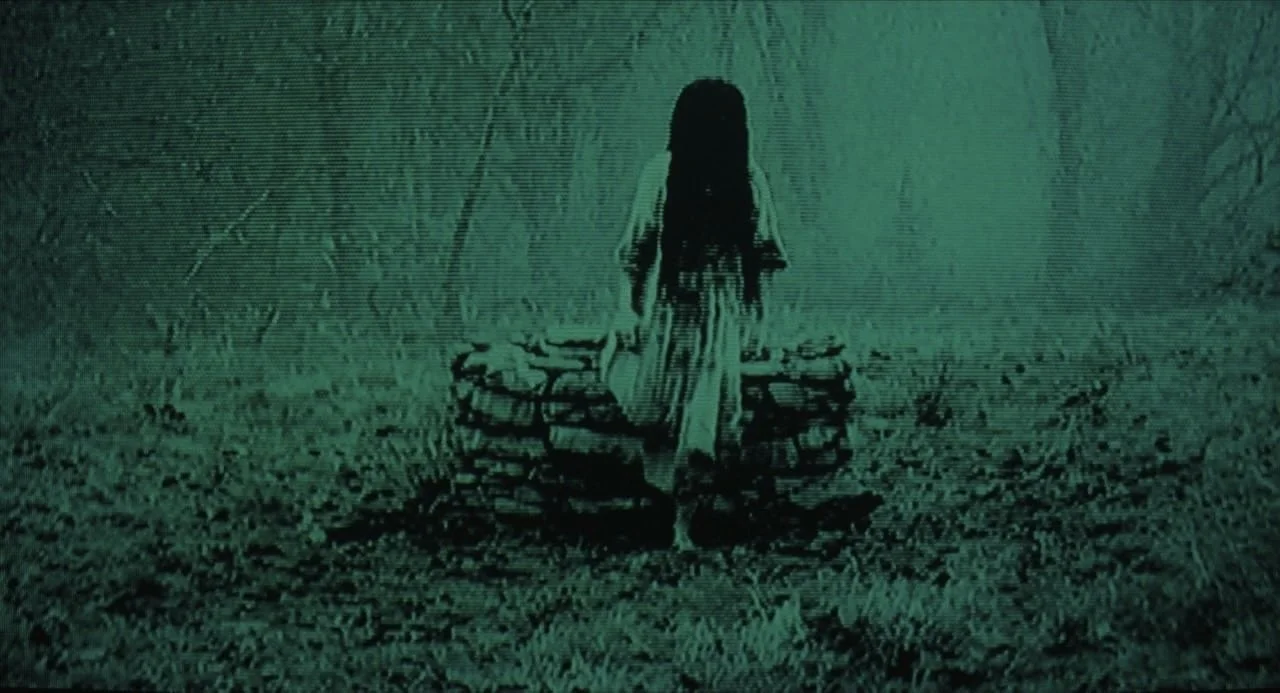
“The Ring” is a chilling reimagining of the Japanese horror classic, “The Ring” follows journalist Rachel Keller (played by the one and only Naomi Watts) as she investigates a mysterious videotape said to kill anyone seven days after watching it. When she views the tape herself, she’s thrust into a race against time to unravel its eerie origins and uncover the truth behind its vengeful spirit, Samara. (RIP Daveigh Chase)
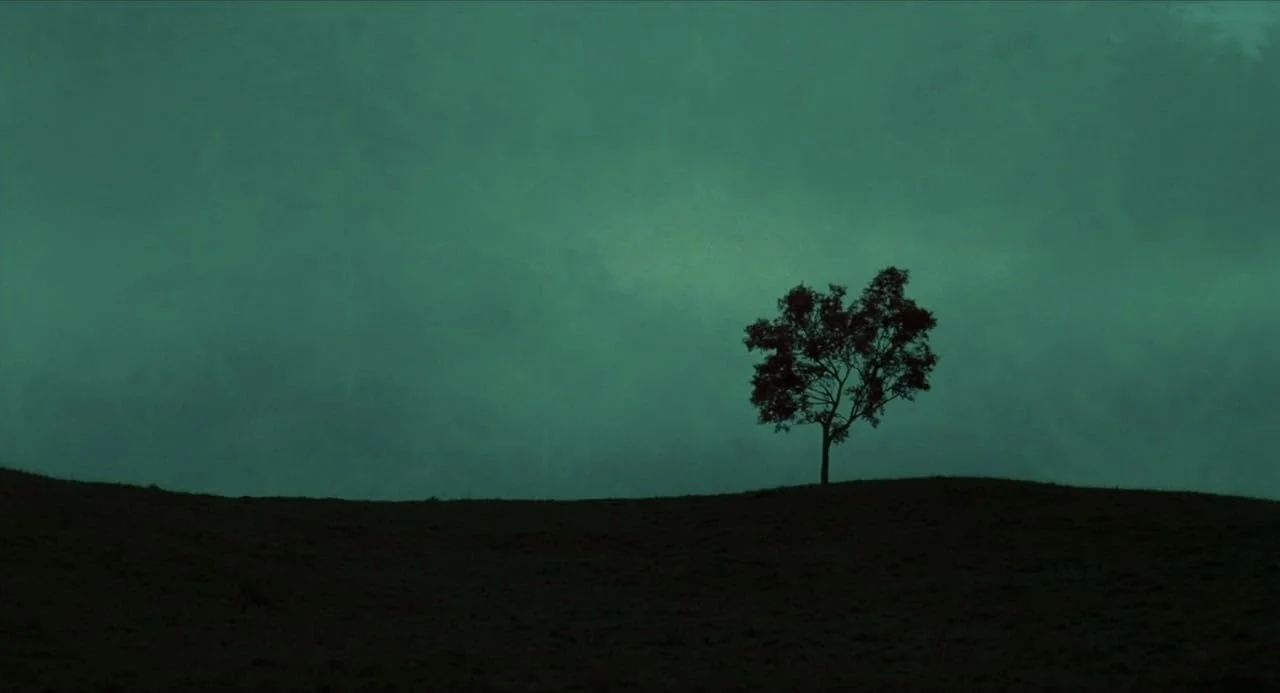
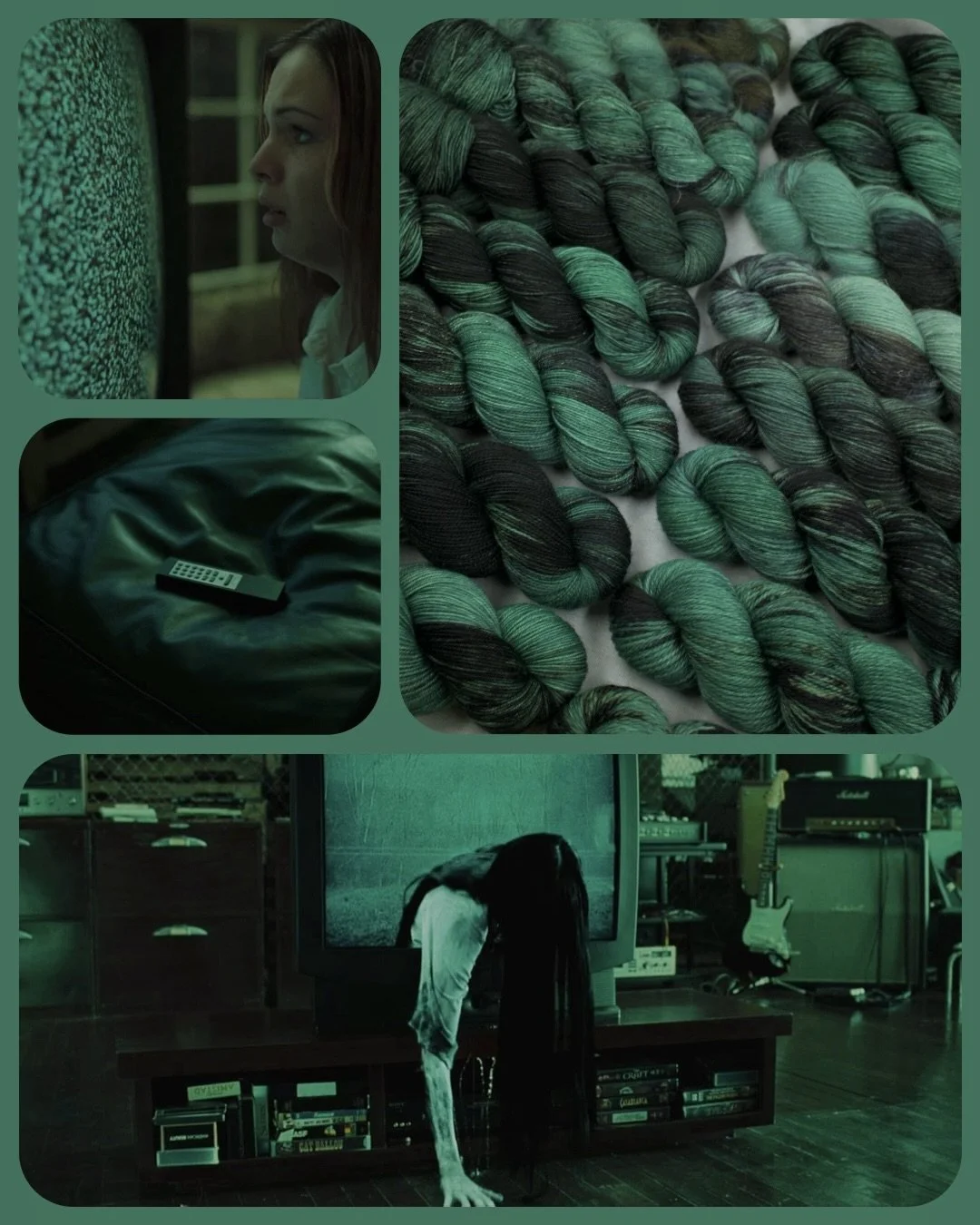
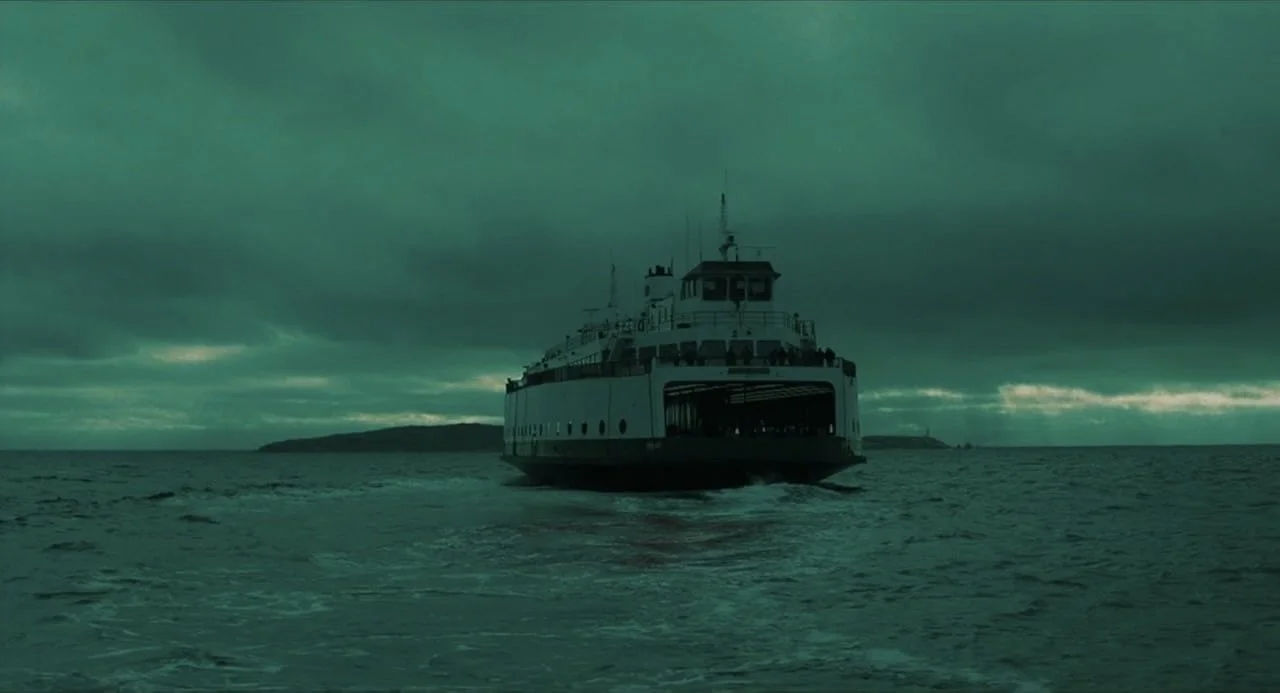
Director Gore Verbinski and cinematographer Bojan Bazelli wanted the entire film to feel cold, unnatural, and slightly sickly, almost like the world itself was infected by the curse. The gloomy tone and cursed VHS mystery vibes really helped define the early-2000s horror mood; even though the media portrayed in this film is outdated, I think it’s actually part of why people to this day still love “The Ring.” 📼
This film is close to home for me, literally! It was film in the Seattle area — my neck of the woods — and the Cabin 12 shown in the film is actually a cabin at my old summer camp! It wasn’t a cabin that was regularly in use; it was a dilapidated, abandoned cabin deep in a section of the camp that nobody went to. Amazing vibes. I swear I’m not sharing this just to brag (😜) but, I happened to be going to summer camp in the early 2000s when this film came out, and I totally got to go see that cabin, and even peek in through the windows!
“Seven days…”
WHAT
MAKES IT
LIMINAL?
A big theme within liminal spaces is loops, spirals, and repetition. “The Ring” is saturated with circular, threshold imagery: rings appear in drawings, drains, apartment numbers. Even the sweeping beam of the lighthouse symbolizes cycles and points of transition between life, death, and the "in-between."
Key settings in the film, like the isolated Moesko Island (in real life, it was filmed at Yaquina Head Lighthouse in Newport, Oregon) and the psychiatric hospital on the island reinforce this sense of being suspended between the ordinary world and something unresolved and otherworldly.