 Image 1 of 17
 Image 2 of 17
 Image 3 of 17
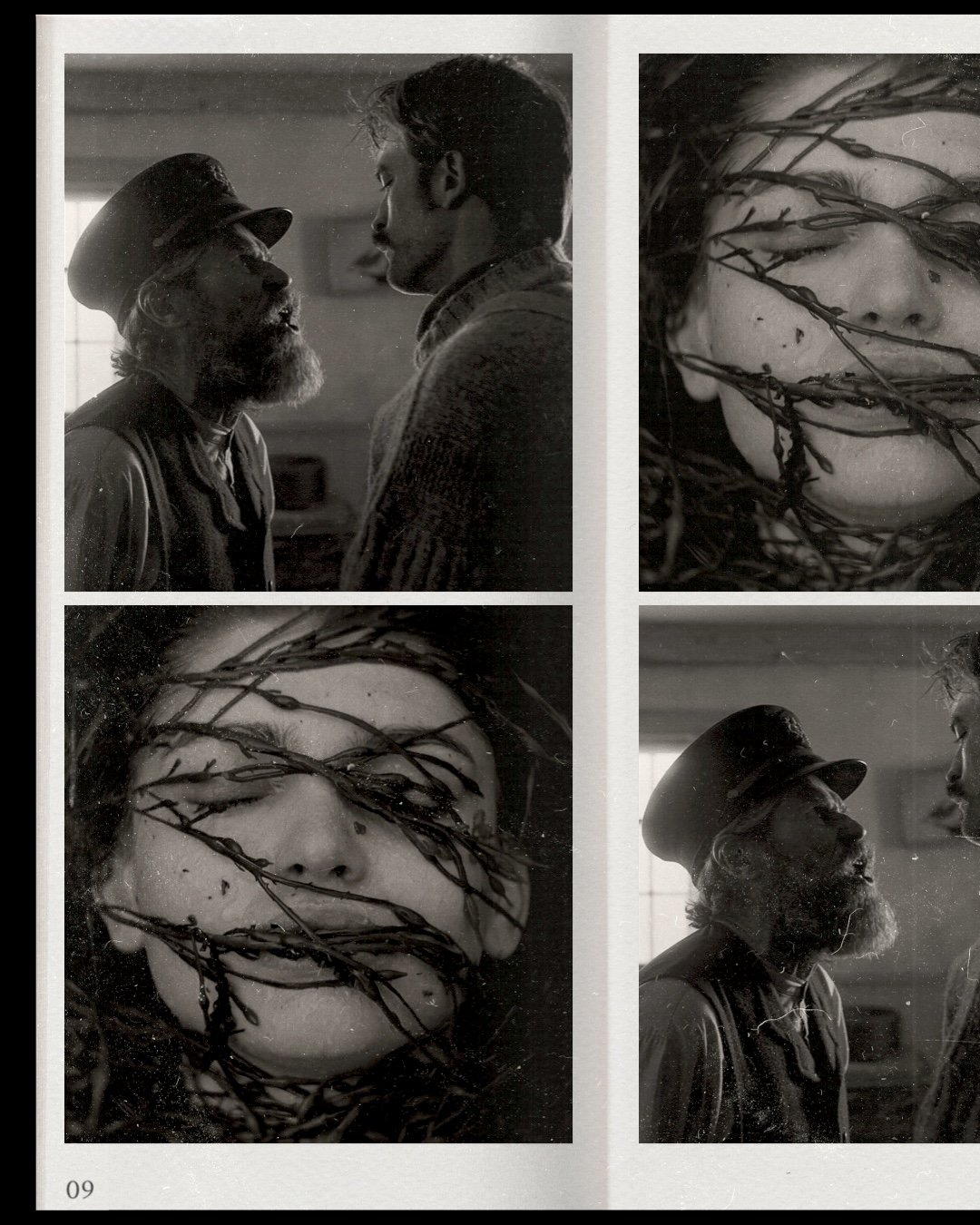 Image 4 of 17
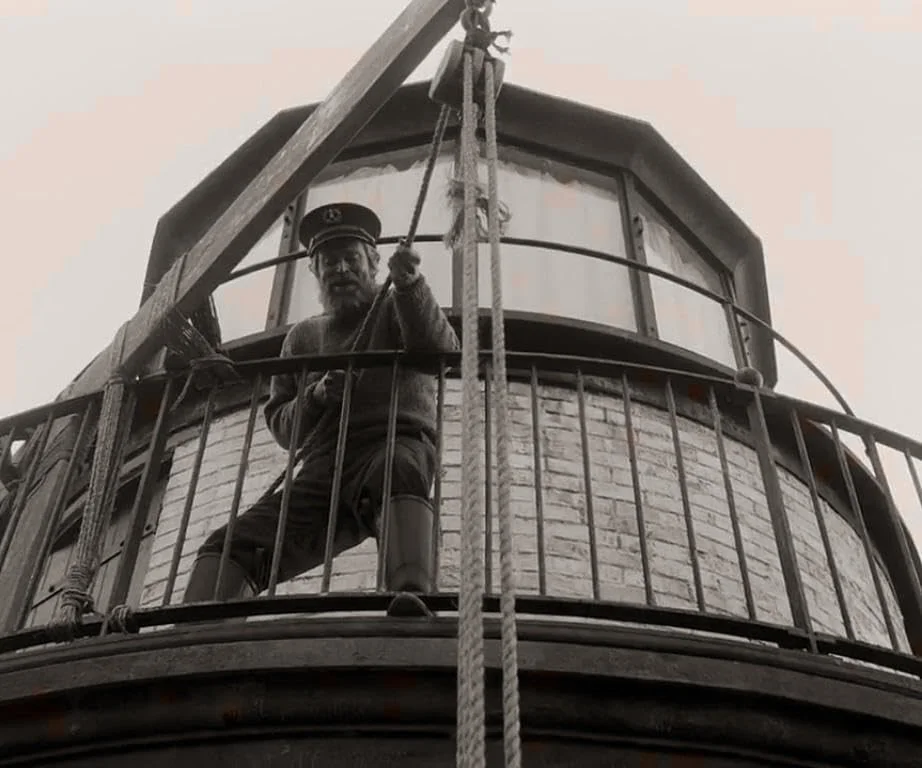 Image 5 of 17
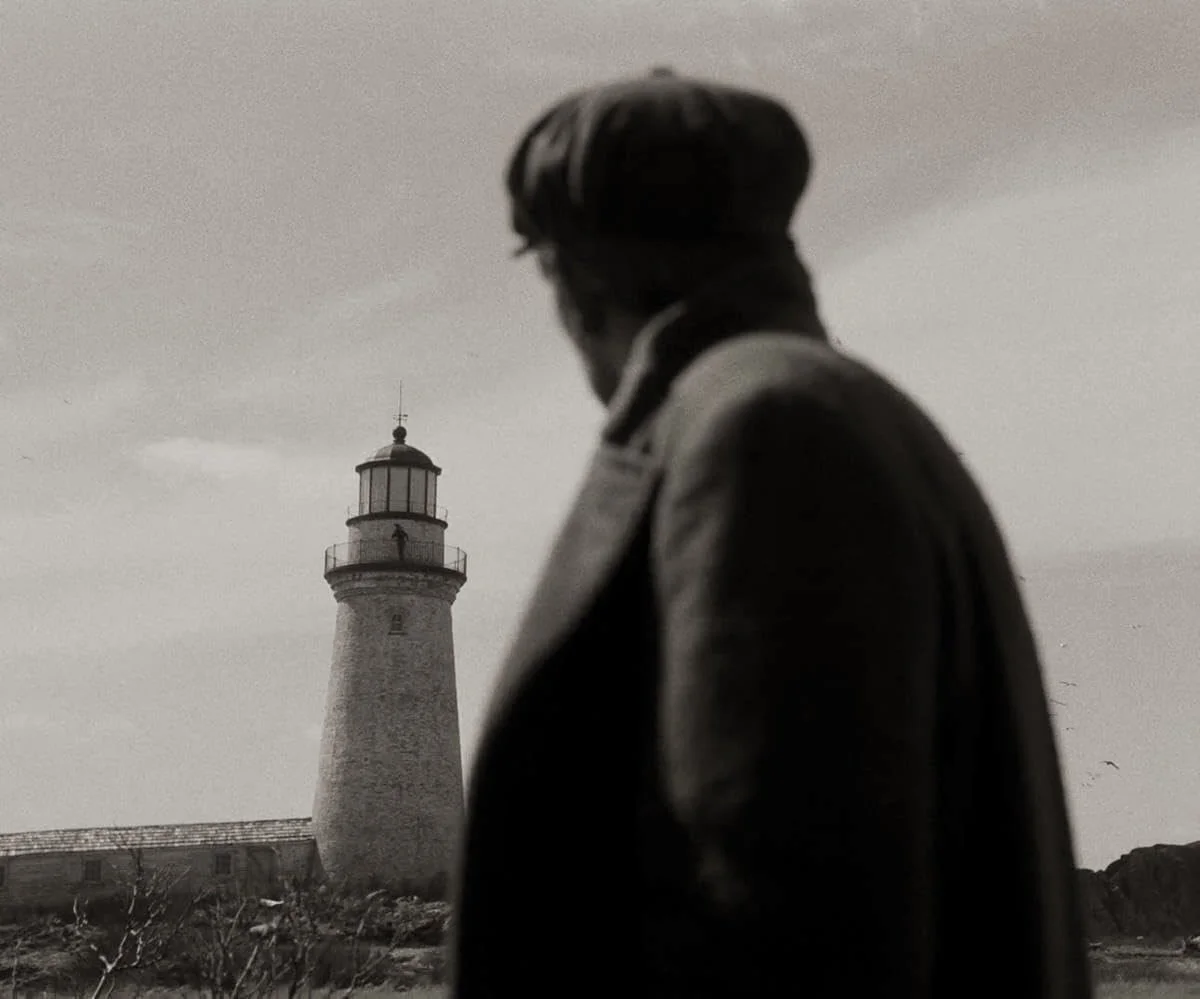 Image 6 of 17
 Image 7 of 17
 Image 8 of 17
 Image 9 of 17
 Image 10 of 17
 Image 11 of 17
 Image 12 of 17
 Image 13 of 17
 Image 14 of 17
 Image 15 of 17
 Image 16 of 17
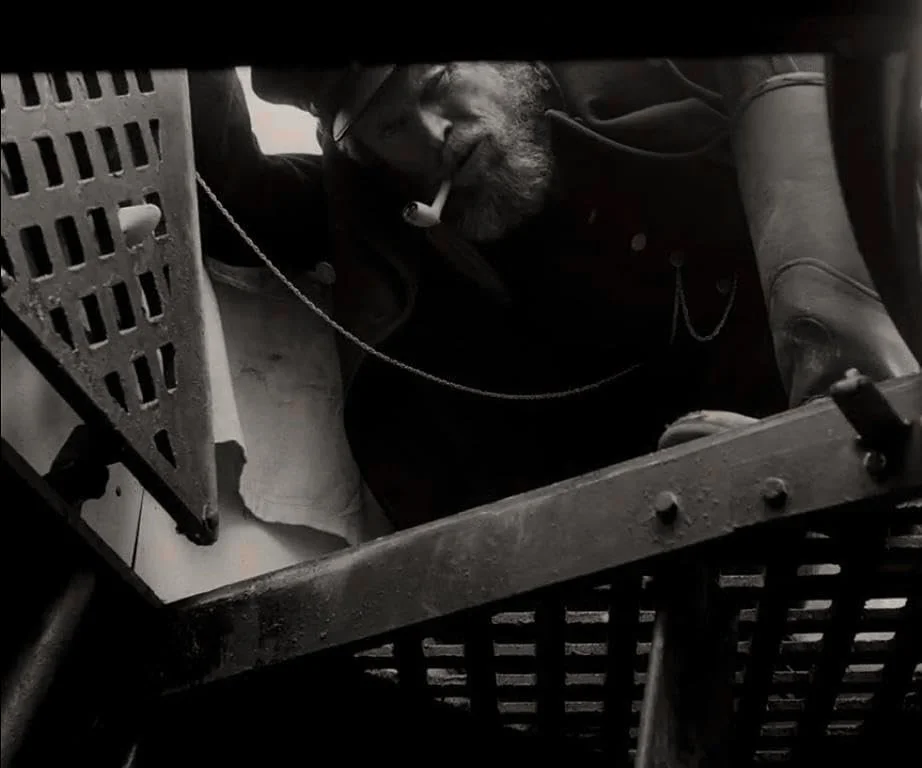 Image 17 of 17
ABOUT
“THE LIGHTHOUSE”
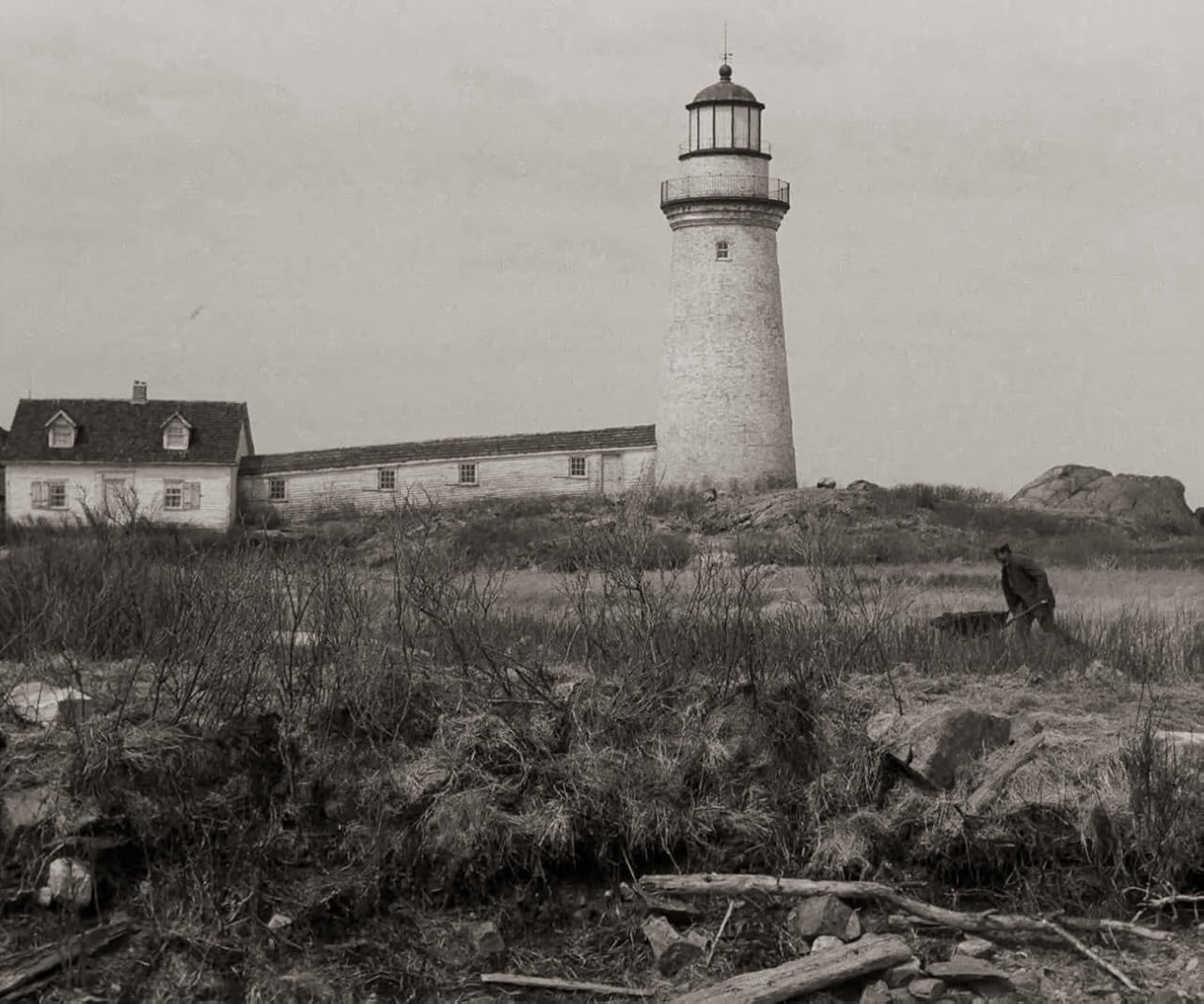
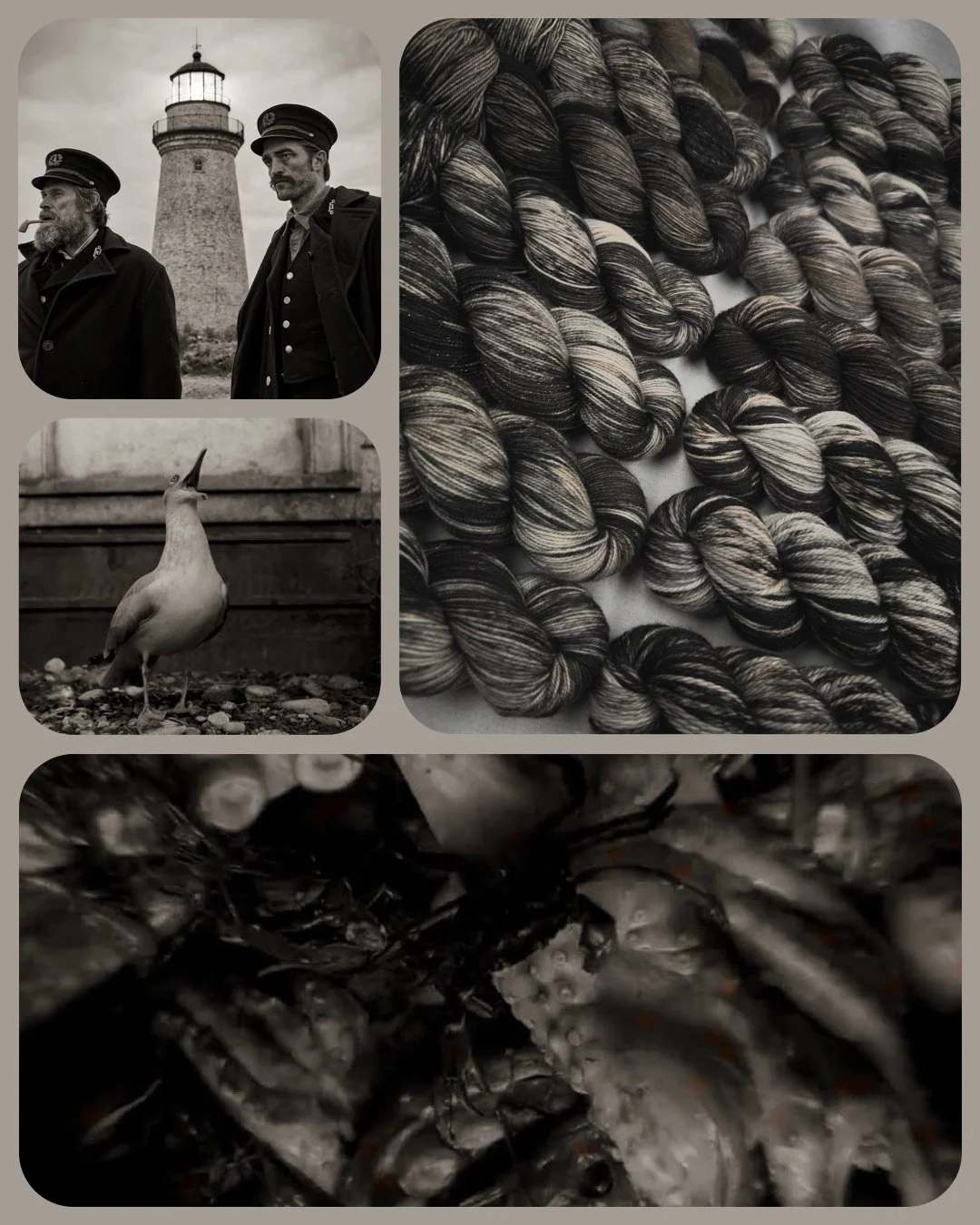
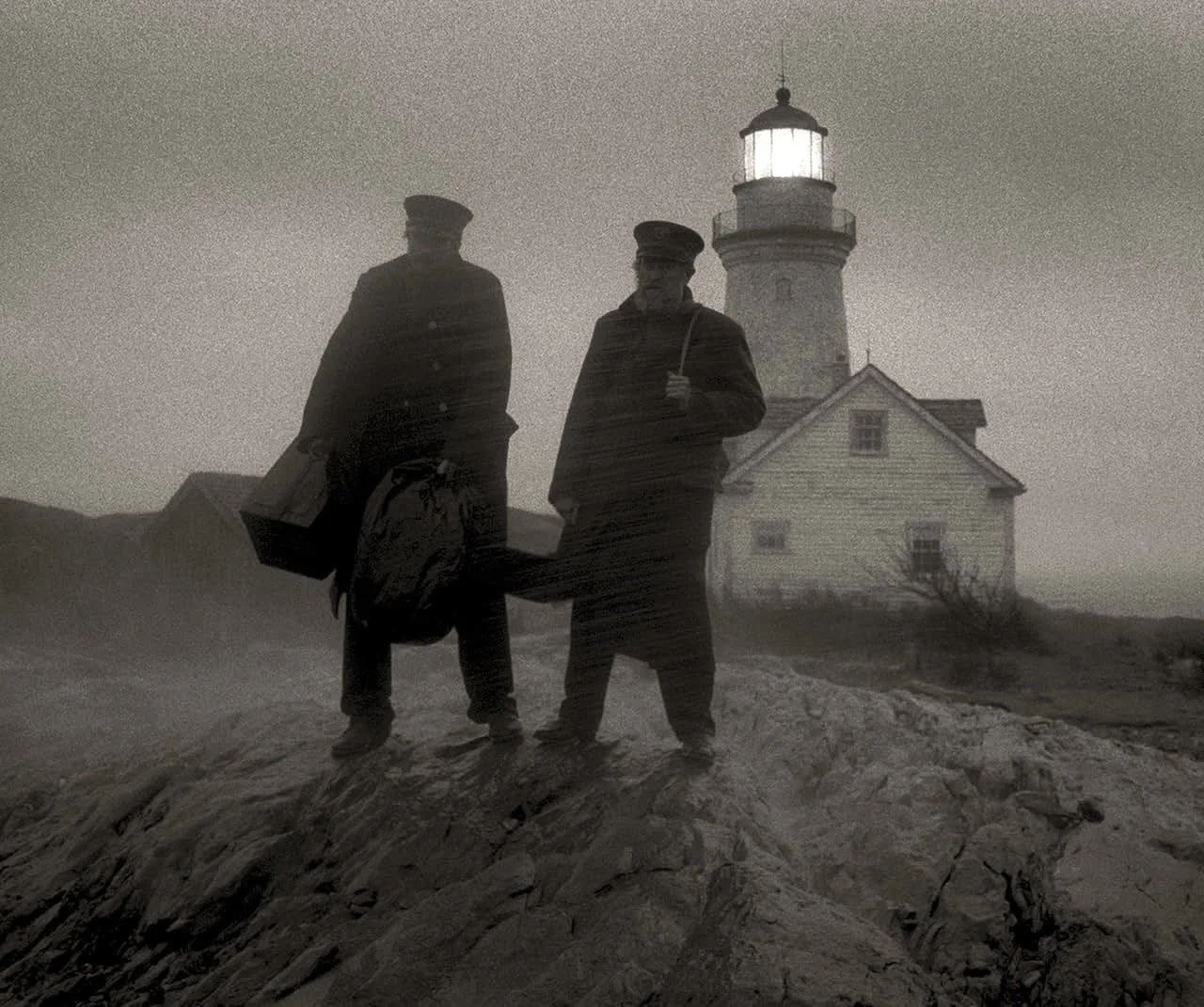
In this beautiful and striking second film of Robert Eggers (and my personal favorite film of his works) two lighthouse keepers, Thomas Wake (played by Willem Dafoe) and Ephraim Winslow (played by Robert Pattinson) arrive on a remote, storm-battered island for what should be a routine assignment, but isolation, alcohol, and buried secrets begin to unravel their grip on reality.
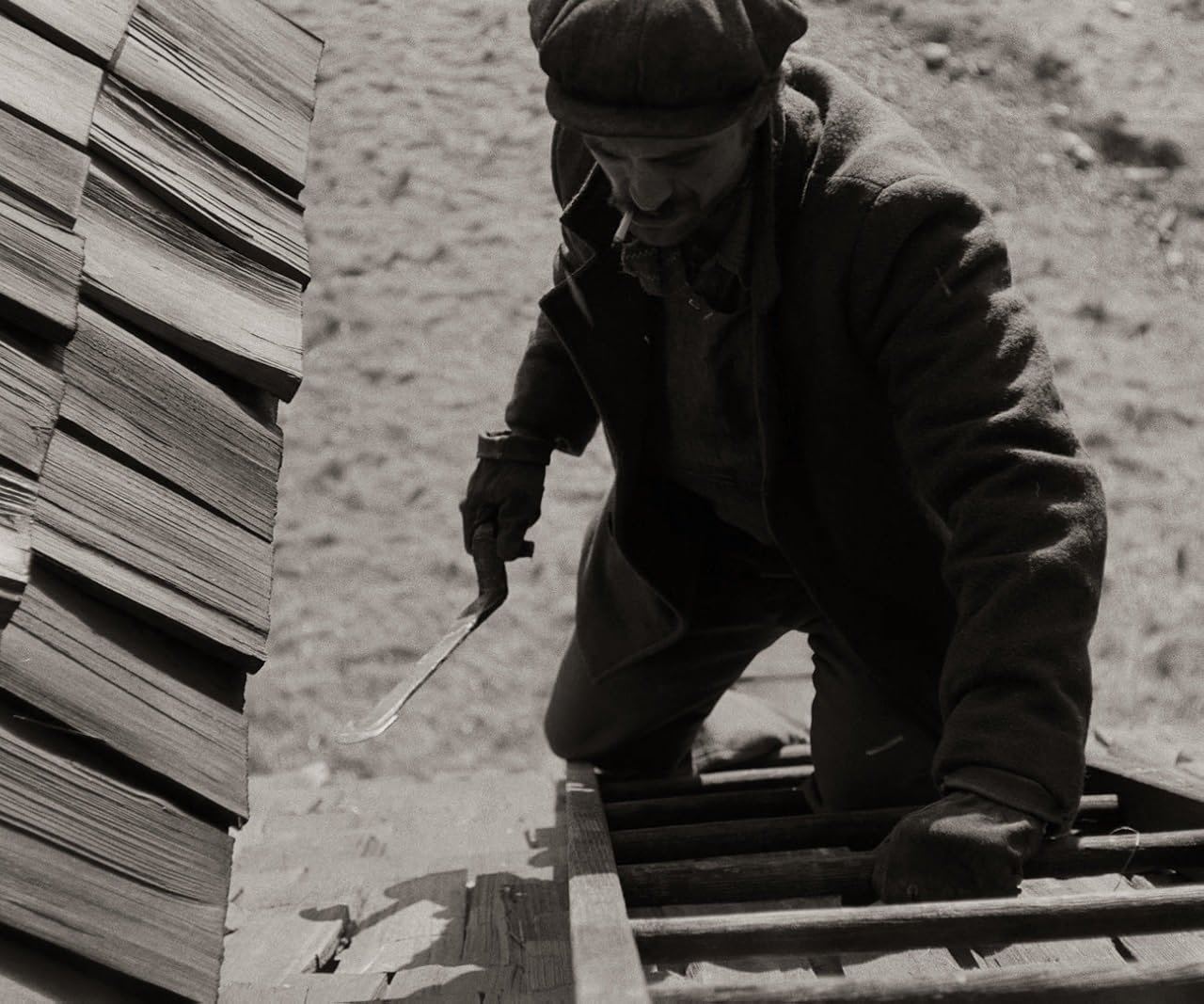
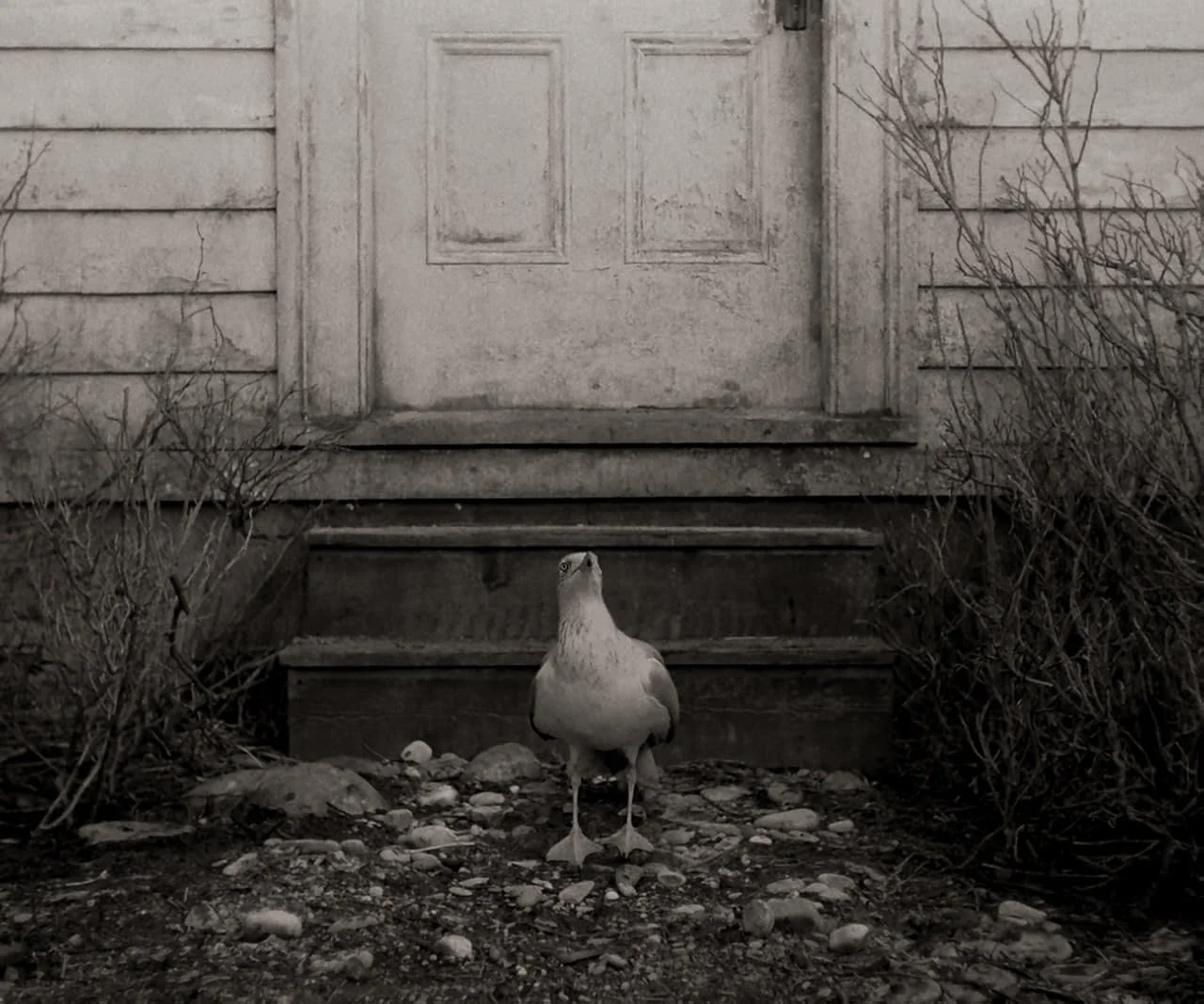
This film is so strikingly beautiful, it’s hard to find a bad shot from this film. Part of what makes it special is the efforts put into the set and cinematography. Director Robert Eggers and cinematographer Jarin Blaschke didn’t just make a modern movie in black and white…they built the entire visuals of the film around confinement, harsh weather, old photography, and mythic madness. They also literally built the lighthouse too! What you see on screen feels like a damaged seafaring photograph or a forgotten 1920s film that somehow became alive.
Another unique detail is this film was shot in an unusually narrow 1.19:1 aspect ratio, which is almost square compared with today’s widescreen movies. This effect removes peripheral space which makes Robert Pattinson and Willem Dafoe seem physically trapped together, eeeek!
“How long have we been on this rock? Five weeks? Two days? Where are we? Help me recollect.”
WHAT
MAKES IT
LIMINAL?
The lighthouse itself sits at the threshold between land and sea, civilization and wilderness, functioning as a claustrophobic in-between zone where the normal rules of time, sanity, and identity break down. Thomas and Ephraim’s prolonged confinement in this transitional, cut-off space blurs reality until neither the characters nor the audience can tell where one character ends and the other begins.