 Image 1 of 15
 Image 2 of 15
 Image 3 of 15
 Image 4 of 15
 Image 5 of 15
 Image 6 of 15
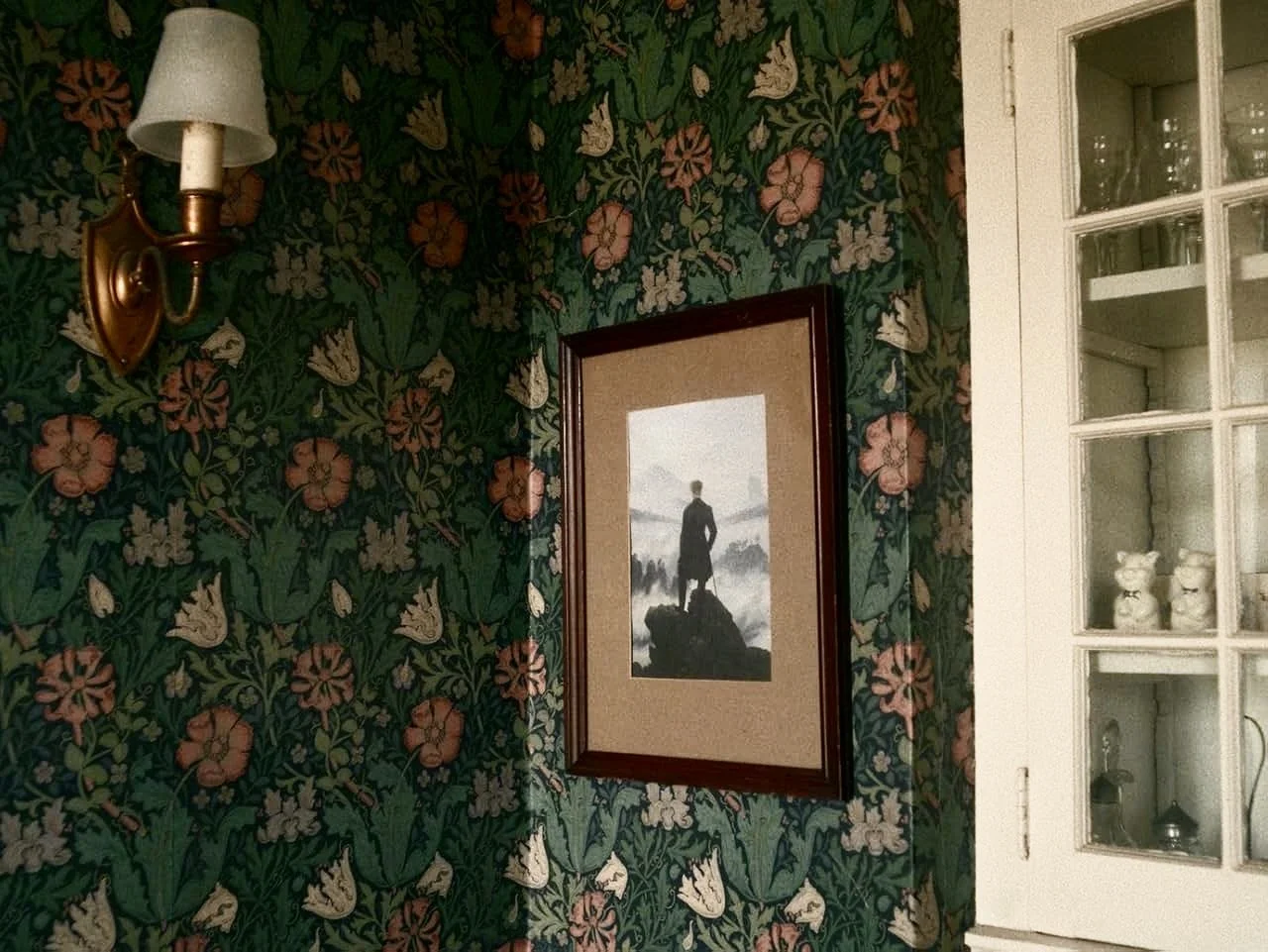 Image 7 of 15
 Image 8 of 15
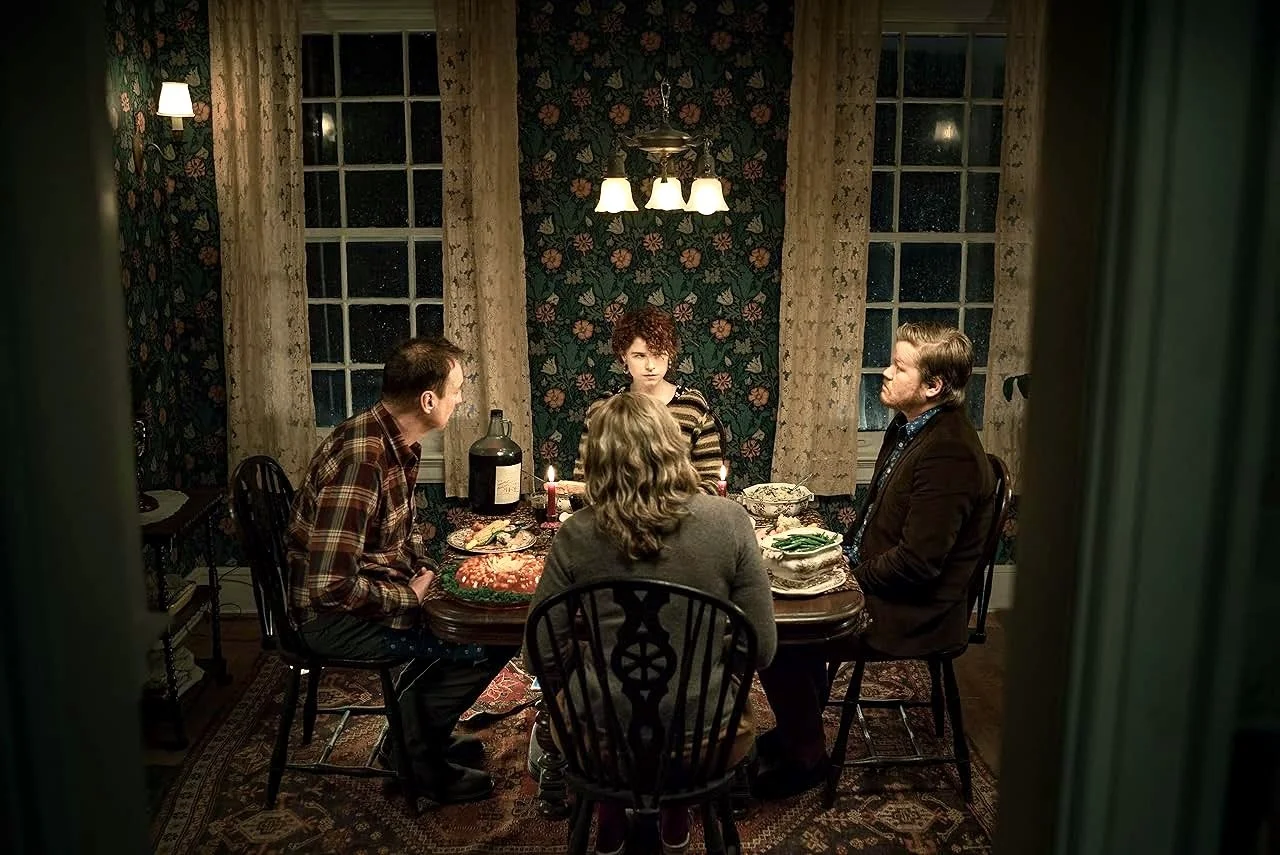 Image 9 of 15
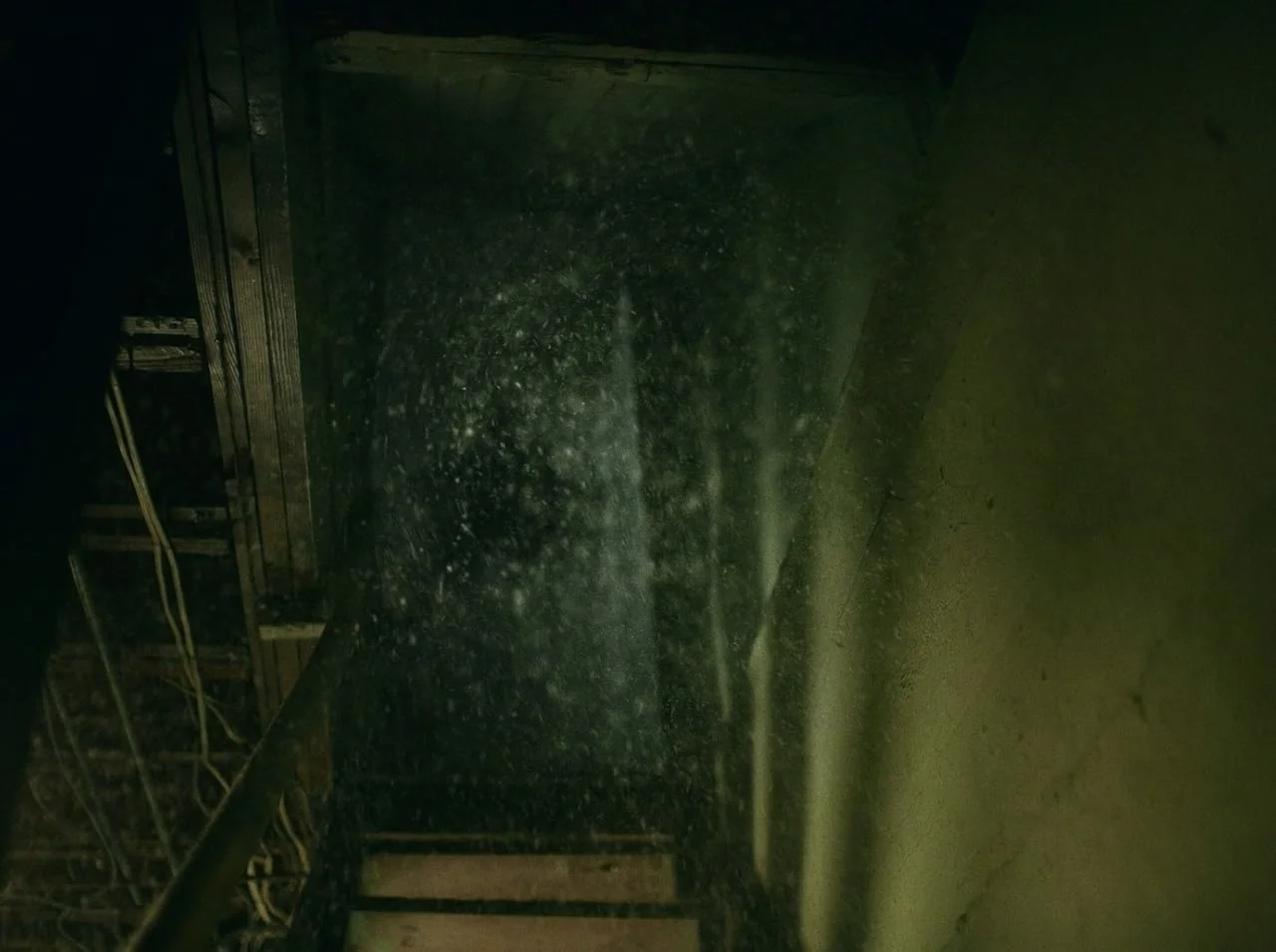 Image 10 of 15
 Image 11 of 15
 Image 12 of 15
 Image 13 of 15
 Image 14 of 15
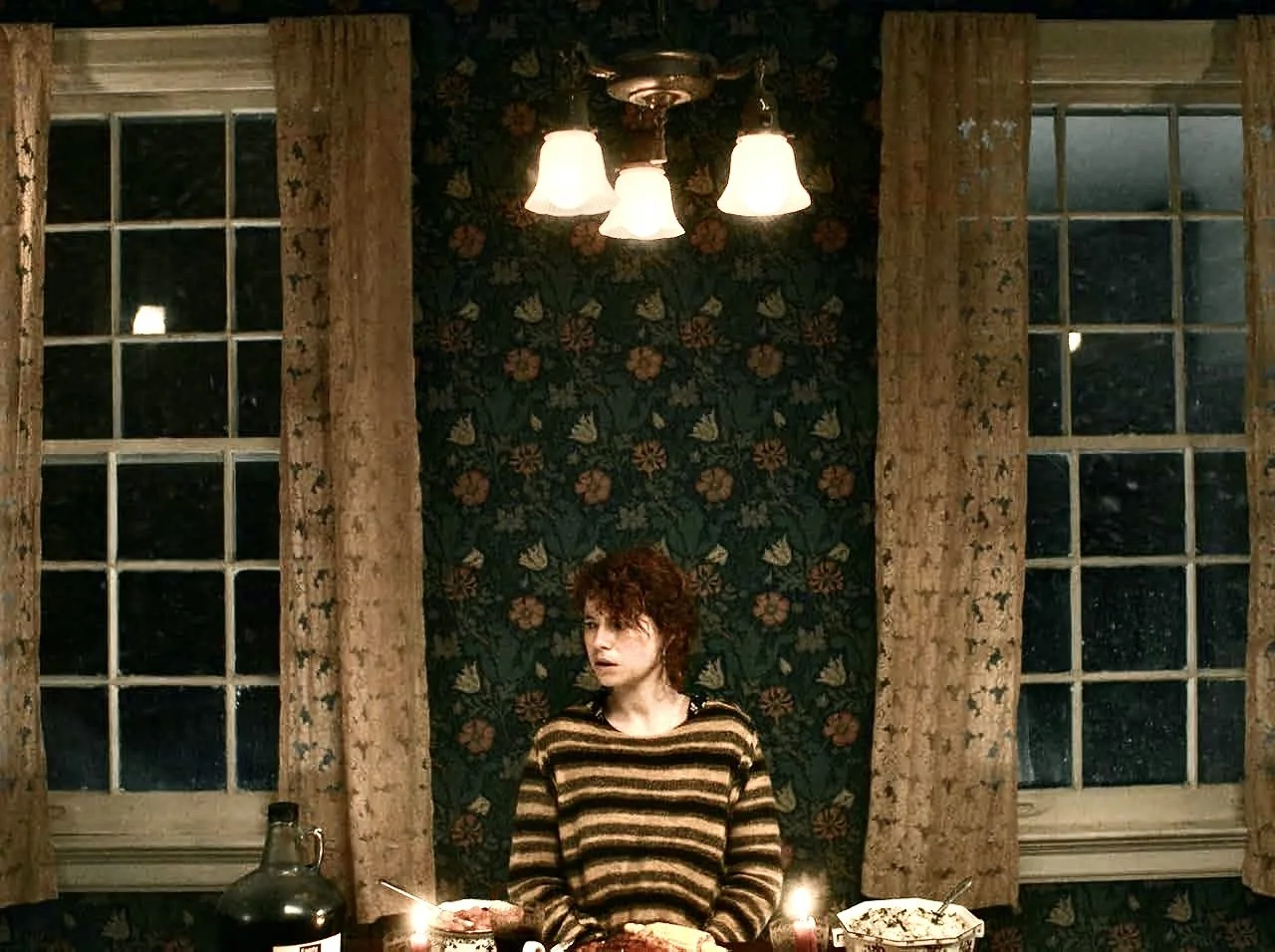 Image 15 of 15


ABOUT
“I’m thinking of ending things”
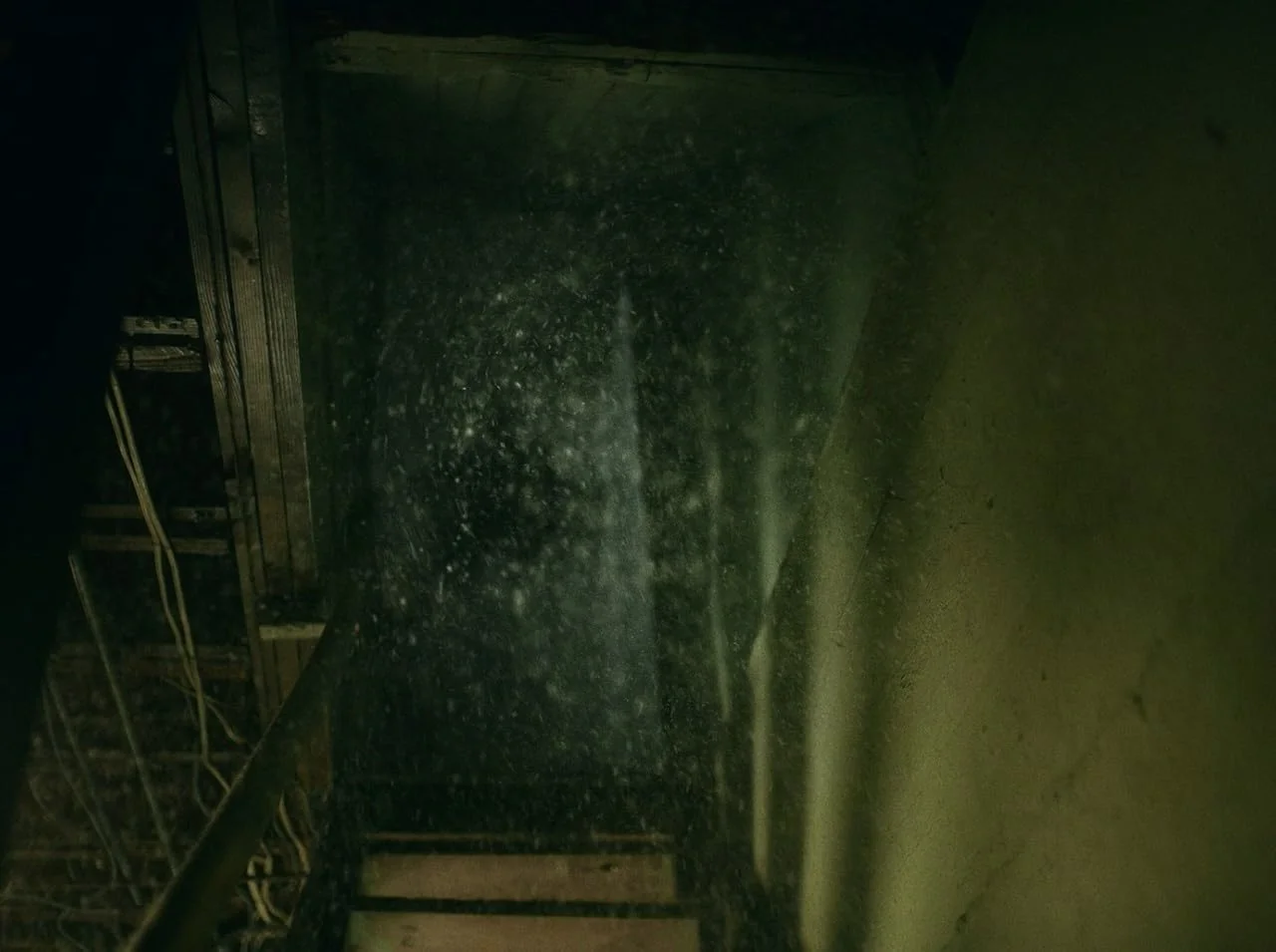
“I’m Thinking of Ending Things,” directed by Charlie Kaufman (remember him from Clementine? He’s one of the greatest surreal screenwriters and filmmakers ever; he reminds me of David in that esoteric way) and based on Iain Reid’s novel of the same title, follows a young woman (played by Jessie Buckley) on a snowy road trip with her boyfriend (played by Jesse Plemons) to meet his parents at their remote farmhouse for the first time. As the evening unfolds, things grow unsettling, and the film shifts into a psychological unraveling of identity, memory, regret, and the relationship itself.
My fun anecdote about this novel is that when I first moved to Portland ten years ago, one of the first places I went to was Powell’s Book Store (of course) and this was the first book I bought there. I picked it up and after reading some of it in one of their nooks, I remember I audibly gasped because something I read genuinely chilled my core. There was a older lady around the corner who peeked over at me and said, “well, if it makes you feel that way you better buy it!” It’s a truly beautiful and unique, harrowing and haunting novel, as well as a film. I love them both, and appreciate their similarities and differences.
“People like to think of themselves as points moving through time, but I think it's probably the opposite.”
WHAT
MAKES IT
LIMINAL?
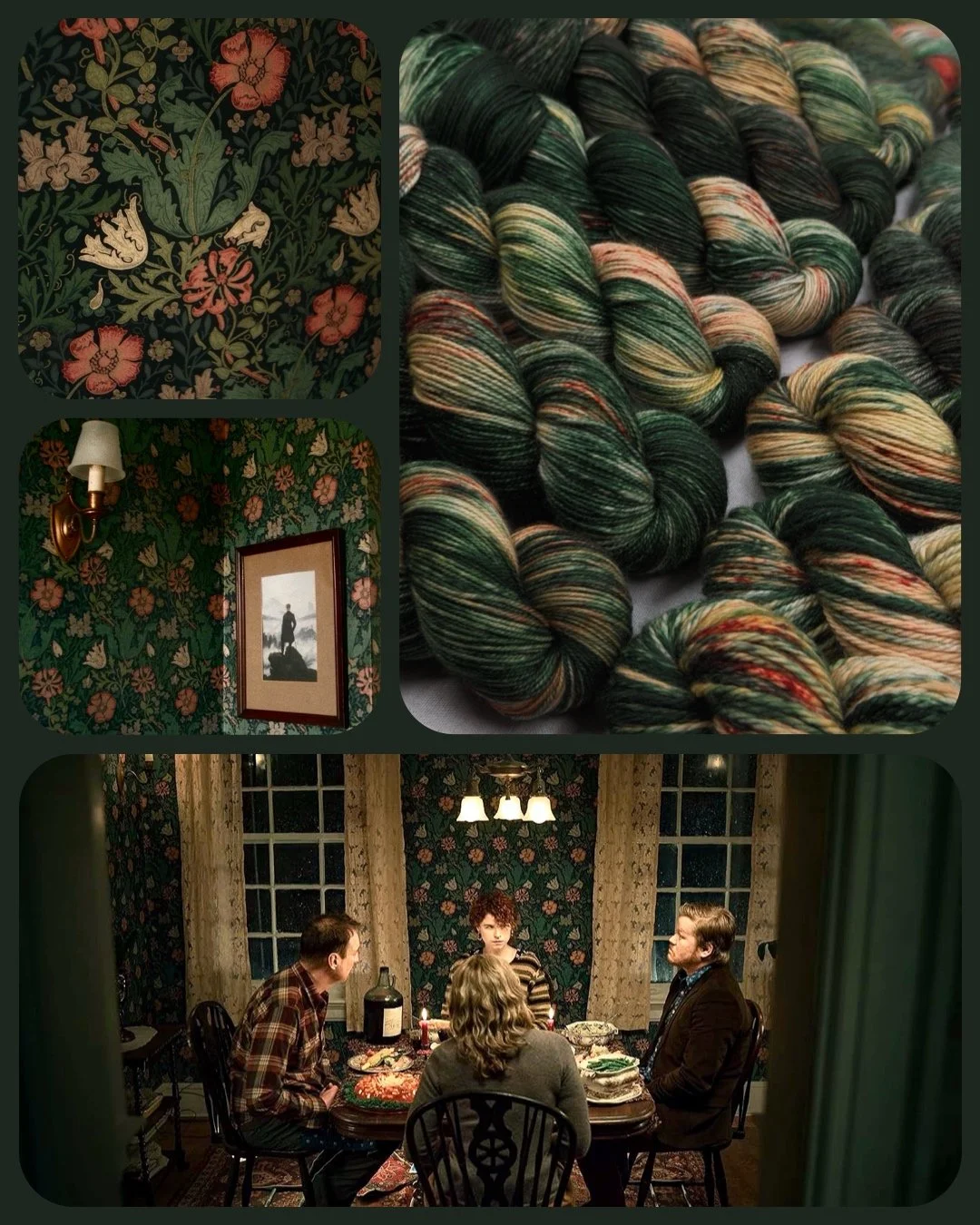
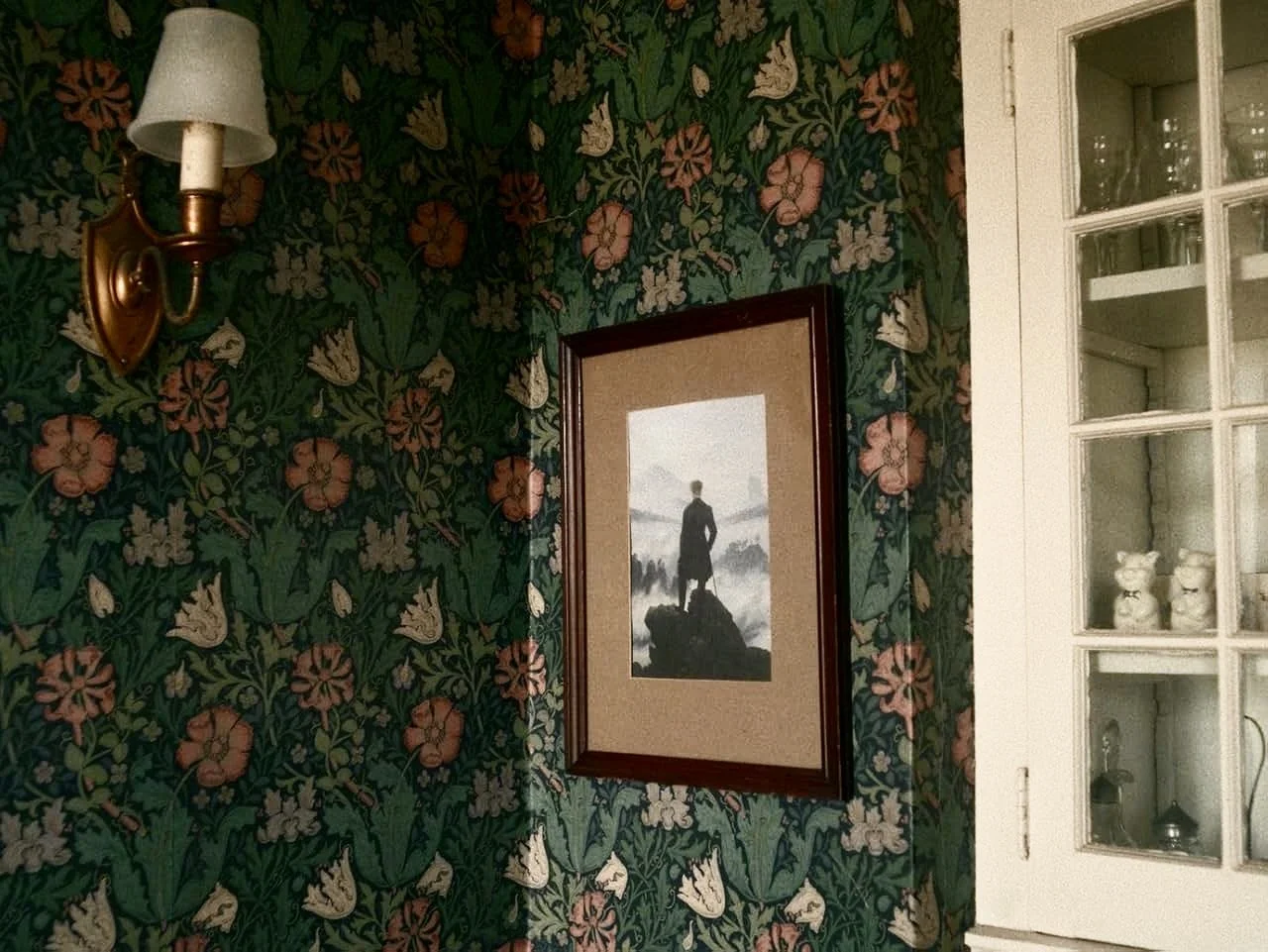
There’s something about wallpaper, whether it be in this film, or “Backrooms” for example, that feels inherently nostalgic. Like the wallpaper knows your secrets or remembers your 7th birthday. It’s meant to make a room warm, personal, and settled, but when it’s faded, repetitive, or left behind after the people have changed or moved, it can make the room feel suspended in another time.
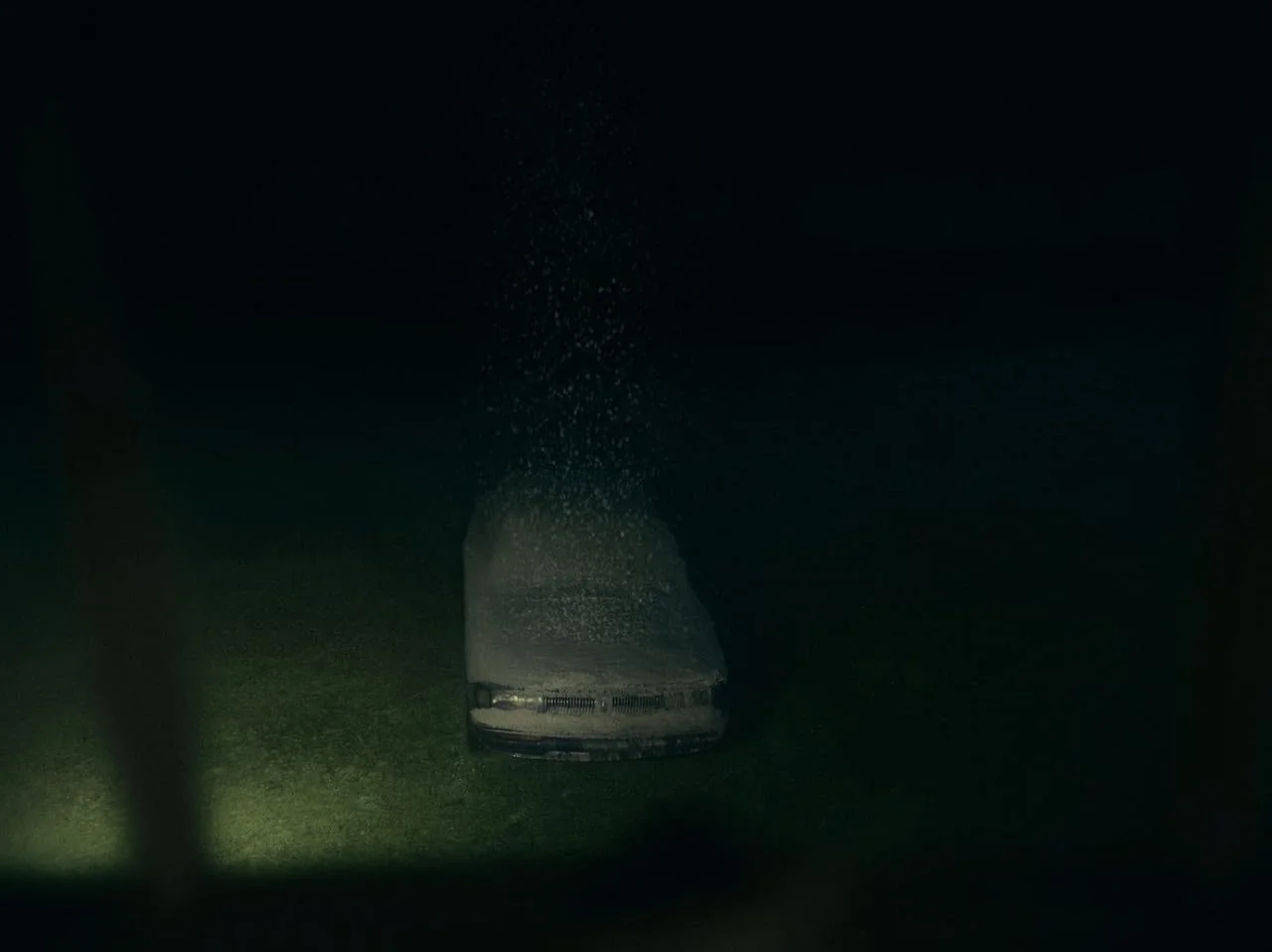
Apart from that, nearly every setting the characters pass through–a high school hallway, an ice cream parlour, driving in the countryside during a snow storm and seeing a brand new swing set sitting pretty in the yard of an abandoned home–feels like it should be bustling, but these spaces sit derelict, and eerily empty instead. The spatial unease mirrors the psychological liminality of the characters themselves, caught between staying and leaving, connection and isolation, identity intact and identity unraveling…